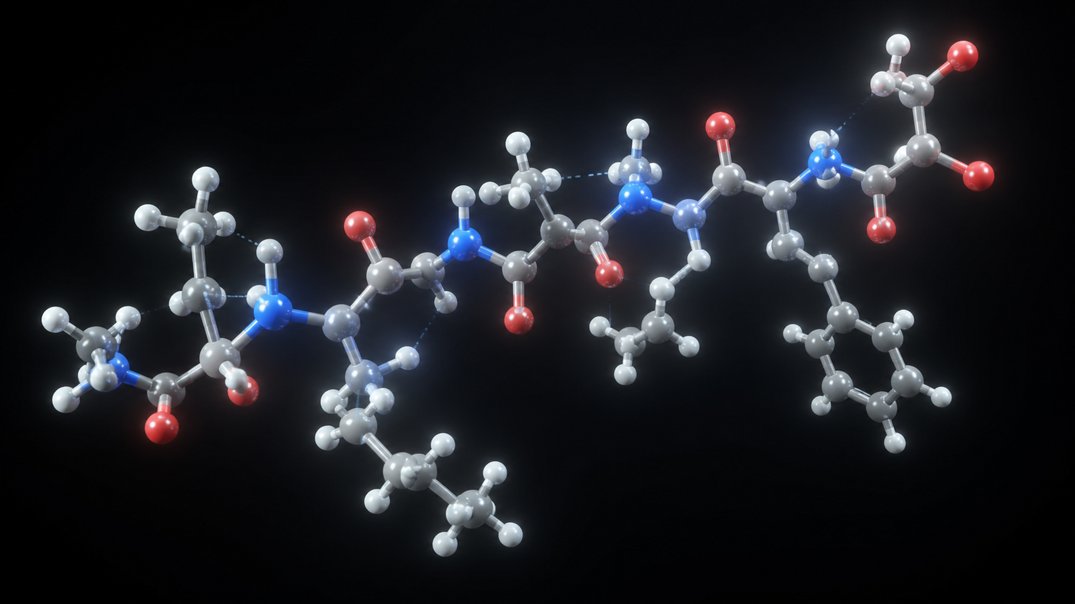
The heart and cardiovascular system run on chemical signals, and peptides are among the most important of those signals. Blood pressure, heart rate, vascular tone, fluid balance, and the response to cardiac injury are all regulated in part by peptide hormones and signaling molecules. The research literature on peptides and cardiovascular function is correspondingly vast, spanning endocrinology, cardiology, vascular biology, and pharmacology. Some of the most significant discoveries in cardiovascular medicine over the past half century have involved peptide systems, and synthetic peptides continue to be active research tools for probing how the heart and vasculature work. This overview maps the major themes in this literature and explains why peptide science and cardiovascular research are so deeply intertwined.
Endogenous Cardiovascular Peptides and Their Studied Roles
The cardiovascular system produces and responds to a remarkable array of peptide signals, several of which have been central to advances in understanding hypertension, heart failure, and vascular disease.
Natriuretic Peptides and Cardiac Pressure Sensing
The natriuretic peptide family, which includes atrial natriuretic peptide (ANP), brain natriuretic peptide (BNP), and C-type natriuretic peptide (CNP), represents one of the most clinically significant peptide systems in cardiovascular medicine. ANP and BNP are released by cardiac muscle cells in response to increased wall stress, typically caused by elevated blood pressure or volume overload. These peptides act on receptors in the kidney and vasculature to promote sodium and water excretion, dilate blood vessels, and reduce cardiac workload, functioning as the heart’s own pressure-relief system. Research established the biology of natriuretic peptides over several decades, and BNP measurement has become a standard clinical tool for diagnosing and monitoring heart failure. The natriuretic peptide story is one of the clearest examples of how basic peptide research has translated directly into clinical medicine.
The Renin-Angiotensin System and Angiotensin Peptides
The renin-angiotensin system (RAS) is a hormonal cascade that plays a central role in blood pressure regulation and fluid balance. The key effector molecule in this system is angiotensin II, an octapeptide produced by sequential enzymatic processing of a larger protein precursor. Angiotensin II acts on receptors in blood vessels to cause vasoconstriction, in the adrenal gland to stimulate aldosterone release, and in the kidney to promote sodium retention, all of which raise blood pressure. Research on the renin-angiotensin system has been foundational for cardiovascular pharmacology, leading to the development of ACE inhibitors and angiotensin receptor blockers, two of the most widely used classes of blood pressure medication. More recent research has characterized additional angiotensin peptide fragments with distinct and sometimes opposing effects to angiotensin II, revealing the RAS to be more complex and nuanced than early research suggested.
Peptides in Vascular Regulation Research
Blood vessels are not passive tubes. They actively regulate their diameter in response to local and systemic signals, and peptides are central to that regulation. Research has examined multiple peptide systems involved in vascular tone and their potential relevance to conditions including hypertension, atherosclerosis, and vascular injury.
Endothelin and Vascular Constriction
Endothelin-1 is a 21-amino-acid peptide produced by vascular endothelial cells and is among the most potent vasoconstrictors known. Research on endothelin has examined its roles in normal vascular tone regulation and in pathological conditions including pulmonary arterial hypertension, where endothelin signaling is abnormally elevated. Endothelin receptor antagonists have been developed and approved for pulmonary arterial hypertension based on this research, representing another direct translation of peptide biology into clinical medicine.
Nitric Oxide and Peptide Interactions in Vascular Research
While nitric oxide is not itself a peptide, it interacts extensively with peptide signaling systems in the vasculature and is relevant to several research peptides studied in cardiovascular contexts. BPC-157 has been studied in animal models of cardiovascular conditions partly because of its proposed interactions with nitric oxide synthase pathways. Research has examined BPC-157’s effects in rodent models of vascular injury and various cardiovascular challenges, reporting observations relating to vascular integrity and recovery parameters. These findings have contributed to interest in nitric oxide pathway interactions as a potential mechanism underlying some of BPC-157’s observed effects across multiple organ systems.
Peptide Research in Cardiac Injury and Repair Models
The heart’s limited capacity for self-repair after injury has driven extensive research into molecular strategies that might support cardiac recovery. Peptides have been subjects of investigation in this context from multiple angles.
Thymosin Beta-4 in Cardiac Research
As discussed in the thymosin peptide overview elsewhere in this library, thymosin beta-4 has been studied in animal models of cardiac injury for its potential effects on cardiac progenitor cell activation and repair processes. Research in rodent models of myocardial ischemia has reported observations of improved functional parameters in thymosin beta-4-treated animals, and investigators have examined the cellular mechanisms potentially underlying these effects. Early clinical investigation has been initiated. This research represents one of the more promising peptide-based lines of investigation in cardiac repair biology.
Research on Protective Peptide Mechanisms
A broader literature has examined peptides derived from naturally occurring cardioprotective mechanisms, including ischemic preconditioning, a phenomenon in which brief episodes of reduced blood flow protect the heart against subsequent longer ischemic events. Peptide mediators of preconditioning have been studied as potential research tools for understanding and potentially replicating this protective effect. Research has examined opioid peptides, bradykinin, and various other peptide signaling molecules as components of these protective cascades, contributing to understanding of how the heart defends itself against injury at the molecular level.
Cardiovascular Peptide Research in the Context of Aging
Cardiovascular disease risk increases substantially with age, and research has examined how age-related changes in peptide signaling systems contribute to this increased vulnerability. Natriuretic peptide responses, renin-angiotensin system activity, and endothelial peptide production all change with aging in ways that influence vascular function and cardiac reserve. Research has also examined how peptide-based interventions might influence cardiovascular aging markers in animal models, with investigators looking at parameters including arterial stiffness, endothelial function, and cardiac structural changes as outcomes. This aging-focused cardiovascular peptide research connects to the broader gerontology literature that includes compounds like Epithalon, linking cardiovascular and aging research agendas.
Frequently Asked Questions About Peptides and Cardiovascular Research
Cardiovascular peptide research spans a wide range from fundamental endocrinology to clinical medicine, and questions about what the science shows and how it connects to research peptides arise regularly.
- What peptide systems are most important in regulating blood pressure?
- The renin-angiotensin system, centered on the vasoconstrictor peptide angiotensin II, is the most extensively studied peptide system in blood pressure regulation. Natriuretic peptides including ANP and BNP counterbalance angiotensin II by promoting vasodilation and sodium excretion. Endothelin-1 is a potent vasoconstrictor produced by endothelial cells. Bradykinin is a vasodilatory peptide whose degradation is influenced by ACE, which also activates angiotensin II. These systems interact to maintain blood pressure homeostasis and are collectively the basis for several major classes of cardiovascular medication.
- What is BNP and why is it measured in clinical practice?
- Brain natriuretic peptide (BNP) is a peptide hormone released by cardiac muscle cells when they experience increased wall stress from elevated blood pressure or volume overload. Research established that BNP levels in blood correlate reliably with the degree of cardiac stress, and clinical studies validated BNP measurement as a diagnostic tool for heart failure. Elevated BNP levels indicate that the heart is under stress, making it useful for diagnosing heart failure, assessing its severity, and monitoring treatment response. BNP measurement is now standard practice in cardiology.
- How have peptide research findings influenced cardiovascular medicine?
- The translation from peptide research to cardiovascular medicine has been substantial. Research on the renin-angiotensin system led to ACE inhibitors and angiotensin receptor blockers, which are among the most widely prescribed cardiovascular medications globally. Research on natriuretic peptides produced both diagnostic tools and therapeutic applications. Research on endothelin led to approved treatments for pulmonary arterial hypertension. These are not distant possibilities but established clinical realities that trace directly to decades of fundamental peptide biology research.
- What research peptides have been studied in cardiovascular contexts?
- Several research use only peptides have been examined in cardiovascular research contexts. BPC-157 has been studied in animal models of vascular injury and cardiovascular challenges, with proposed mechanisms involving nitric oxide pathway interactions. Thymosin beta-4 has been investigated in cardiac injury models for potential effects on cardiac repair processes. Growth hormone secretagogues have been examined in relation to cardiac function given growth hormone’s established roles in myocardial physiology. All are research use only compounds studied in preclinical settings, without approval for cardiovascular therapeutic use.