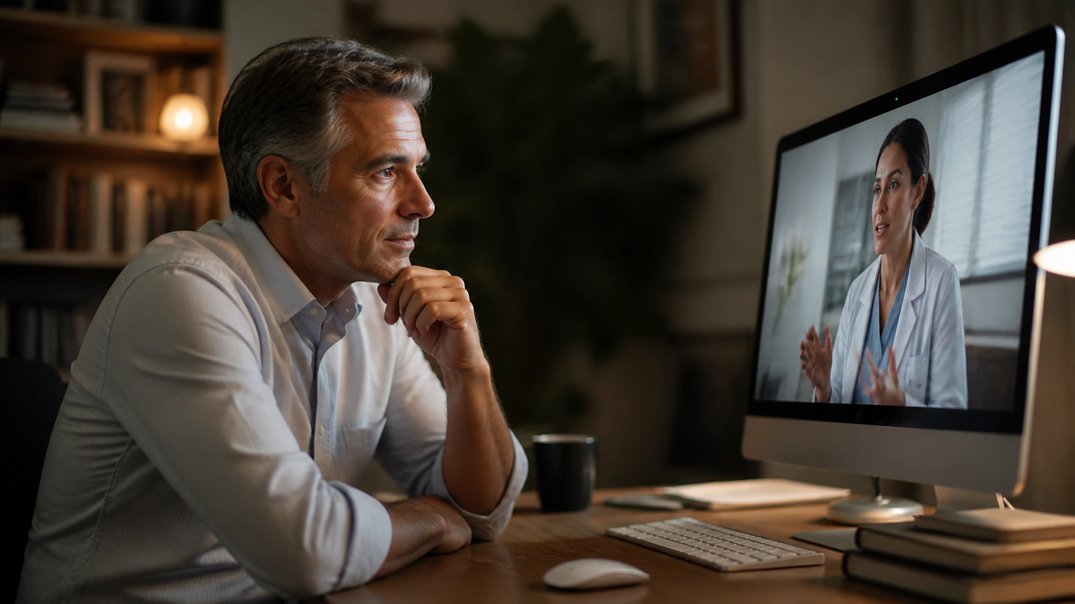
Telehealth myths can keep people from care that is convenient, private, and thorough. Telehealth means seeing a licensed clinician by video, phone, or secure message instead of in an office. Here are the most common misconceptions, what federal guidance says, and how to tell a trustworthy online service from a risky one.
Telehealth Myths About Privacy and Security
A common belief is that online visits are less private than office visits. The U.S. Department of Health and Human Services states that telehealth visits are as private as in-person visits and that HIPAA, the federal health privacy law, protects what you share. A few easy habits add your own layer of privacy. Choose a private room, use your provider’s patient portal for messages, look for the lock icon on the website, and skip public WiFi. HHS also suggests picking a quiet spot with good internet. Many people find that a calm space at home makes it easier to speak openly about their health.
Do Online Clinicians Have Real Credentials?
Another myth says online clinicians are not the real thing. In reality, telehealth clinicians are licensed professionals who review your history, ask follow-up questions, and decide what is appropriate for you. HHS encourages you to verify your provider, so feel free to ask about their license and training. An independent clinician is separate from any website that connects you with care, which means the treatment decision rests with the person who reviews your information. Good services welcome these questions and answer them clearly. Look for these signs of a trustworthy service:
- A named, licensed clinician you can verify
- A clear online assessment and health history review
- Plain explanations of each next step
Can You Really Get Prescription Care Online?
Some people assume telehealth means a prescription is automatic. A legitimate service works the other way around. You complete an assessment, a clinician reviews it, and a prescription is written only when it is appropriate for you. Then your medication comes from a pharmacy. The FDA says an online pharmacy is likely safe when it requires a prescription, lists a physical U.S. address and phone number, has a licensed pharmacist available, and is licensed by a state board of pharmacy. Those checkpoints help you spot trustworthy options quickly. A licensed pharmacy that delivers to your door adds convenience without skipping any step.
Frequently Asked Questions
Are Telehealth Visits Covered by HIPAA?
Yes. According to HHS, HIPAA protects the health information you share during telehealth, and telehealth visits are as private as in-person visits. Using your provider’s patient portal helps keep your messages secure.
Can a Telehealth Clinician Diagnose and Prescribe?
Licensed clinicians can evaluate your history and symptoms online and decide whether a prescription is appropriate. They may request lab work or a follow-up first, just as they would in an office.
How Do I Know an Online Pharmacy Is Legitimate?
Look for a prescription requirement, a physical U.S. address and phone number, a licensed pharmacist you can reach, and a state board of pharmacy license. The FDA lists these as signs of a safer online pharmacy.
What Should I Prepare Before a Telehealth Visit?
Choose a quiet spot, test your device and internet, and write down your medications, doses, allergies, and questions. Signing on early gives you time to solve any technical hiccups before your visit begins.
Good to Know
Telehealth is not right for every situation. Emergencies, severe symptoms, and conditions that need a hands-on exam call for in-person care, so call 911 or go to the nearest emergency room when needed. Tell your clinician about all medications, allergies, and conditions. Side effects depend on the medication prescribed, and your clinician reviews them with you. Seek urgent care for hives, swelling, or trouble breathing. Avoid sites that sell prescription drugs without a prescription.
Explore Your Options With a Licensed Clinician
If you are curious about telehealth, the next step is simple. Complete an online assessment, have an independent licensed clinician review your health history, and, when a prescription is appropriate, receive your medication from a licensed pharmacy that delivers to your door. Explore your options today and see what fits you.
This article is for education only and is not medical advice.