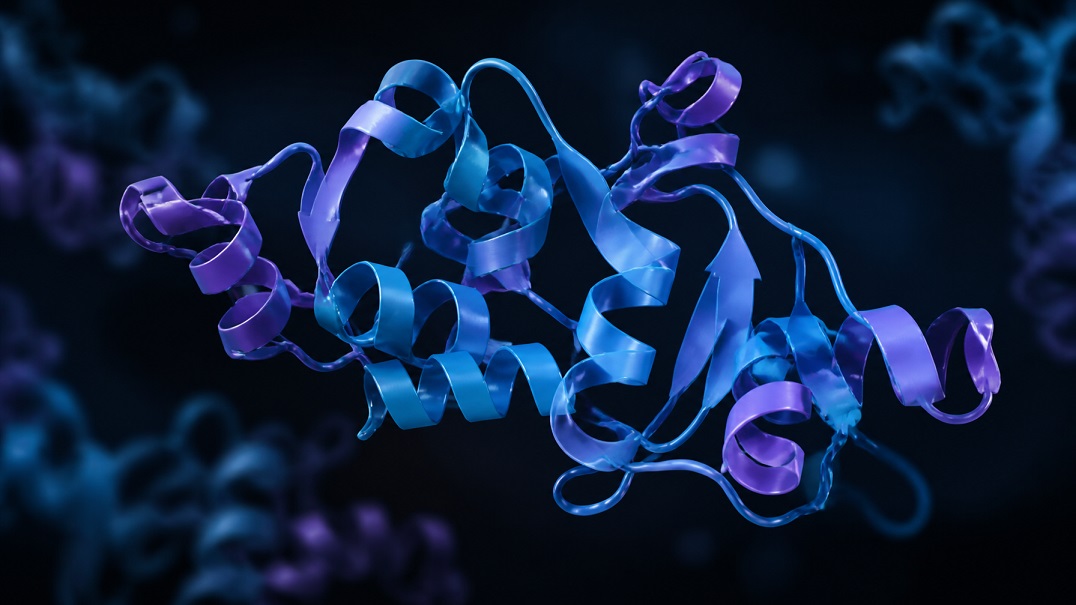
Few areas of peptide science are moving as quickly as antimicrobial peptide research right now. The combination of an escalating global antibiotic resistance crisis, rapidly improving computational tools, and a growing appreciation for the structural diversity of natural antimicrobial compounds has produced a genuine acceleration in both the pace of discovery and the depth of mechanistic understanding. Recent developments span AI-assisted identification of entirely new peptide classes, an expanding clinical research record, and new tools that are reshaping how researchers think about the antimicrobial peptide sequence space. Here is a summary of where the field stands based on the most recent published literature.
AI and Machine Learning Transform AMP Discovery
Perhaps the most consequential recent development in antimicrobial peptide research is the integration of artificial intelligence and machine learning into the peptide discovery pipeline. The traditional approach to finding new AMPs, isolating and characterizing compounds from biological sources, is being supplemented and in some cases supplanted by computational approaches that can screen enormous sequence spaces far faster than experimental methods allow.
The AMPSphere Database
A landmark 2024 publication in the journal Cell presented AMPSphere, a comprehensive catalog of 863,498 non-redundant antimicrobial peptides predicted from a dataset of 63,410 metagenomes and 87,920 prokaryotic genomes from environmental and host-associated habitats. The machine-learning approach used to build this catalog identified predicted AMPs from across the global microbiome, the majority of which do not match any existing database entries. This represents a dramatic expansion of the known antimicrobial peptide sequence space and provides researchers with an unprecedented resource for identifying candidates for experimental validation. The study also provided insights into the evolutionary origins of AMPs and found that production varies by habitat, suggesting that environmental context shapes AMP diversity in ways that can inform the search for novel compounds.
Deep Learning for Rational AMP Design
Beyond cataloguing natural sequences, recent research published in 2025 has applied deep learning models to the rational design of new antimicrobial peptides, using patterns learned from existing active sequences to generate novel candidates with predicted antimicrobial properties. Research groups have reported using these approaches to discover naturally inspired peptides with activity against priority bacterial pathogens. The integration of high-throughput experimental validation with computational prediction is creating a faster pipeline from sequence concept to characterized compound than was previously possible.
Clinical Research: Progress and Emerging Data
The gap between preclinical AMP findings and clinical translation has historically been wide, but recent data suggests that gap is beginning to narrow in select areas.
The LL-37-Derived Peptide Trial
A Phase I/II clinical trial completed in 2024 examined an LL-37-derived peptide administered by intratumoral injection in patients with melanoma. The trial reported safety and tolerability, and the researchers observed modulation of the tumor microenvironment in treated patients that may enhance immune responses against tumor cells. This finding is notable for two reasons. First, it provides human safety data for an LL-37-derived compound at an application site, advancing the clinical record for this important human cathelicidin family. Second, it illustrates the broadening of AMP research beyond purely antimicrobial applications into immunomodulatory contexts, reflecting increasing recognition that many AMPs have functions that extend well beyond direct pathogen killing.
Venom-Derived Peptides as Research Tools
Research published in 2025 reported the computational identification and experimental validation of fifty-eight venom-derived peptides with antimicrobial activity against multiple WHO-priority bacterial pathogens. Among the findings, Mastoparan X, derived from wasp venom, showed strong bactericidal activity against methicillin-resistant Staphylococcus aureus, including a clinically significant strain, by disrupting bacterial membranes and reducing biofilm formation. Venom-derived peptides represent a structurally diverse source of AMP scaffolds that have been refined by evolutionary pressure to be potent and membrane-active, making them attractive starting points for the development of novel antimicrobial research compounds.
New Peptides From Underexplored Sources
The search for new antimicrobial peptides continues to expand into biological niches that were previously understudied.
A 2024 study reported the isolation of achromonodin-1, a natural lasso cyclic antimicrobial peptide, from Achromobacter bacteria found in the sputum of patients with cystic fibrosis. The unusual lasso structure, in which the peptide chain forms a knotted topology, provides exceptional stability against proteolytic degradation, a major limitation of many linear AMPs. Mangrove-derived bacteria have also yielded new AMP candidates, with research reporting the identification of compounds from Paenibacillus species with activity against Pseudomonas aeruginosa and Klebsiella pneumoniae, two organisms of significant clinical concern in the context of antimicrobial resistance. These discoveries from microorganisms associated with distinctive ecological niches reflect the broader strategy of looking beyond conventional sources for structurally novel compounds.
The Resistance Question Revisited
One of the central arguments for antimicrobial peptides as alternatives or adjuncts to conventional antibiotics has been the assumption that their membrane-disruption mechanisms make resistance harder to develop. Recent research has continued to examine this hypothesis with increasing nuance.
The 2025 review literature acknowledges that while resistance to AMPs does develop more slowly than resistance to enzyme-targeting antibiotics in most experimental systems, some bacteria have evolved mechanisms to mitigate AMP activity, including modification of membrane lipid composition, production of proteases that degrade AMPs, and efflux pump systems. Understanding these resistance mechanisms is an important part of developing AMPs that remain effective in the face of bacterial adaptation. Hybrid peptide strategies, such as the combination of LL-37 sequences with other peptide sequences to create novel chimeric compounds, are being explored as one approach to maintaining activity against resistant organisms.
Frequently Asked Questions About Recent AMP Research
- What is AMPSphere and why is it significant for antimicrobial peptide research?
- AMPSphere is a comprehensive catalog of 863,498 predicted antimicrobial peptides assembled from over 63,000 metagenomes and 87,000 prokaryotic genomes using machine learning approaches. Published in Cell in 2024, it represents the most extensive catalog of predicted antimicrobial peptide sequences compiled to date, with the vast majority not matching any existing database. It provides researchers with an unprecedented resource for identifying new AMP candidates from the global microbiome for experimental investigation.
- What did the 2024 clinical trial of an LL-37-derived peptide find?
- A Phase I/II clinical trial completed in 2024 examined an LL-37-derived peptide administered by intratumoral injection in melanoma patients. The trial demonstrated safety and tolerability of the compound at the administration site and observed changes in the tumor microenvironment consistent with enhanced immune responses. This represents important progress in the clinical translation of human cathelicidin-derived peptides and illustrates the expanding application of AMP research beyond purely antimicrobial contexts into immunomodulatory and oncology research settings.
- How is artificial intelligence changing antimicrobial peptide discovery?
- AI and machine learning approaches are transforming AMP discovery by enabling the screening of vast sequence spaces that would be impossible to evaluate experimentally. Discriminative models predict antimicrobial activity and toxicity profiles, generative models design new sequences with predicted properties, and high-throughput sequencing feeds ever-larger datasets into these systems. The result is a much faster pipeline from sequence identification to experimental validation. Research published in 2025 has demonstrated the use of deep learning to discover novel peptides with activity against priority pathogens based on patterns learned from known AMP sequences.
- Can bacteria develop resistance to antimicrobial peptides?
- Yes, though resistance generally develops more slowly and less robustly against AMPs than against enzyme-targeting antibiotics. Bacteria have evolved mechanisms including membrane lipid composition changes, AMP-degrading proteases, and efflux pump systems that can reduce susceptibility to some AMPs. Current research is examining how to design AMPs that remain effective against resistant organisms, with hybrid peptide approaches and structural modifications aimed at overcoming known resistance mechanisms. The resistance landscape for AMPs is more complex than early research suggested, and understanding it is an active area of investigation.