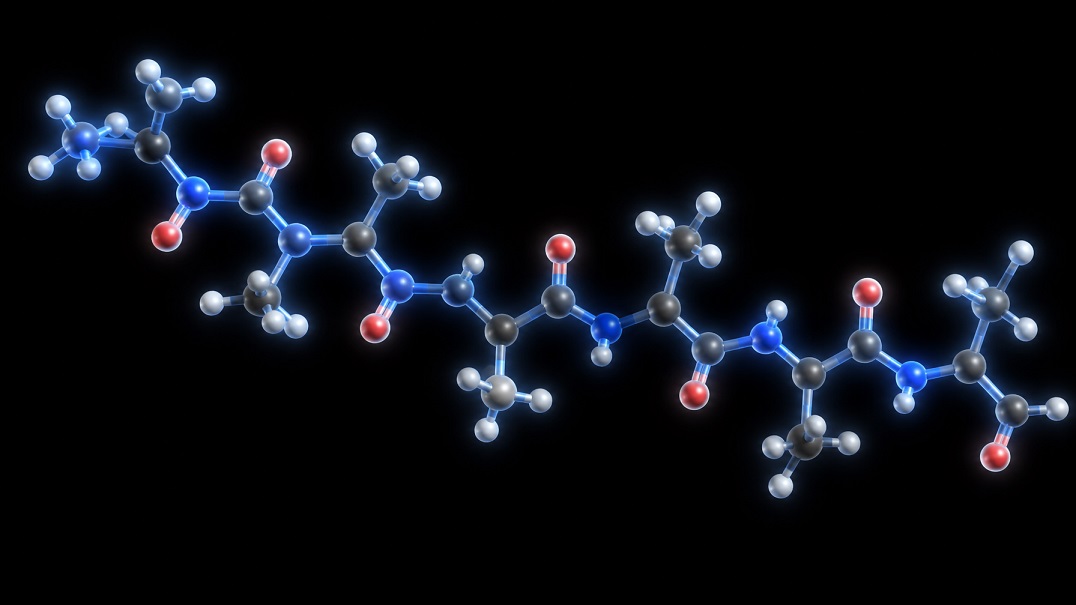
In the world of research peptides, BPC-157 and TB-500 occupy a notable position. Each has its own substantial body of preclinical literature, and each has attracted sustained research interest across multiple tissue types and biological systems. What makes them particularly interesting from a research standpoint is that they appear to act through complementary mechanisms, which has led researchers and research communities to examine them not just individually but in combination. Understanding what the scientific literature says about each compound, and what has been investigated when they are studied together, provides a useful window into how preclinical peptide research actually works.
BPC-157: Research Profile and Studied Mechanisms
BPC-157, formally known as Body Protection Compound-157, is a synthetic pentadecapeptide, meaning it contains fifteen amino acids. It is derived from a sequence found in human gastric juice protein, which is the biological context from which it was originally isolated and characterized. The research literature on BPC-157 is extensive by the standards of research peptides, with published studies spanning several decades and covering a range of tissue types and experimental models.
Gastrointestinal Research
The earliest and most replicated body of BPC-157 research relates to the gastrointestinal system, which makes sense given its gastric origin. Studies in rodent models of gastric ulceration have consistently reported observations of accelerated mucosal healing in BPC-157-treated animals compared to controls. Researchers have examined multiple parameters in these models, including ulcer surface area measurements, mucosal blood flow, and the expression of growth factors associated with repair signaling. The gastric research literature on BPC-157 is substantial and represents the most replicated set of findings associated with the compound.
Musculoskeletal and Systemic Research
Beyond the gastrointestinal tract, BPC-157 research has extended into tendon, ligament, bone, and muscle injury models. Studies examining tendon repair in rodents have reported observations relating to collagen organization and functional recovery metrics. Research in other systems, including the nervous system and cardiovascular system, has examined BPC-157’s interactions with nitric oxide pathways, which researchers have proposed as one of the potential mechanisms underlying its observed effects across diverse tissue types. The breadth of the BPC-157 literature is itself notable, and the proposed nitric oxide mechanism is one of the more discussed mechanistic hypotheses in this body of work.
TB-500: Research Profile and the Thymosin Beta-4 Connection
TB-500 is a synthetic peptide derived from thymosin beta-4, a naturally occurring forty-three amino acid protein found in high concentrations in blood platelets and wound fluid. TB-500 corresponds to a specific fragment of thymosin beta-4, specifically the region considered most relevant to the protein’s actin-binding and cell-signaling properties. The research on thymosin beta-4 is well-established and precedes the more recent interest in the synthetic TB-500 fragment specifically.
Thymosin Beta-4 and Actin Dynamics
Thymosin beta-4’s most thoroughly characterized biological role involves its interaction with actin, the protein that forms the cytoskeleton of cells and is essential for cell motility. By sequestering actin monomers, thymosin beta-4 regulates the availability of actin for polymerization, which in turn influences how readily cells can migrate. Cell migration is a critical step in wound healing, as repair cells must move into the damaged area to do their work. Research has documented thymosin beta-4’s expression in healing wounds and its effects on keratinocyte and endothelial cell migration in experimental models.
Angiogenesis and Tissue Remodeling Research
Beyond actin dynamics, research has examined thymosin beta-4 and TB-500 in the context of angiogenesis, the formation of new blood vessels. New vascularization is essential for supplying repair cells and nutrients to healing tissue, and peptides that promote angiogenic signaling have attracted significant research interest. Studies have examined the effects of thymosin beta-4 on endothelial cell behavior and on markers of blood vessel formation in wound models. Research has also addressed the compound’s interactions with anti-inflammatory pathways, with investigators examining its effects on cytokine profiles in injured tissues.
The Research Rationale for Studying BPC-157 and TB-500 Together
The interest in combining BPC-157 and TB-500 in research contexts stems from the observation that their studied mechanisms appear to be complementary rather than redundant. The two compounds interact with different molecular targets and appear to influence different aspects of the repair process.
BPC-157’s most discussed mechanistic associations involve nitric oxide pathways and interactions with growth factor receptors, particularly those involving vascular endothelial growth factor (VEGF) and its downstream signaling. TB-500’s most documented mechanism involves actin sequestration and the downstream effects on cell migration and angiogenic signaling. Because these represent distinct molecular entry points into the tissue repair process, researchers have hypothesized that combining the two compounds might engage repair pathways more broadly than either compound alone.
Combination Studies in Preclinical Models
A body of preclinical research has examined BPC-157 and TB-500 in combination, primarily in rodent models of musculoskeletal injury. These studies have compared outcomes in animals receiving each compound individually against those receiving both together, using metrics such as tensile strength of healing tendons, histological assessments of tissue organization, and functional performance measures. The published findings from combination studies have generally reported observations suggesting additive or complementary effects on repair-related outcomes, though the researchers conducting these studies have appropriately noted the limitations of animal model data and the need for further investigation.
What the Research Does and Does Not Establish
It is worth being precise about what this body of research has and has not established. Preclinical combination studies in rodent models provide evidence that the two compounds influence repair-related biological processes through mechanisms that may work together. They do not establish equivalent effects in humans, and they do not constitute clinical proof of therapeutic efficacy. The scientific interest in this combination is genuine and reflected in the published literature, but the appropriate interpretation of that literature is as a foundation for further research rather than as a definitive account of what these compounds do in human biology.
Frequently Asked Questions About BPC-157 and TB-500 Research
Questions about these two compounds, individually and in combination, represent some of the most common inquiries in the research peptide literature.
- What is the difference between BPC-157 and TB-500?
- BPC-157 is a synthetic fifteen-amino-acid peptide derived from a sequence found in human gastric juice protein, with an extensive preclinical research profile spanning gastrointestinal, musculoskeletal, and systemic studies. TB-500 is a synthetic fragment of thymosin beta-4, a naturally occurring protein involved in actin dynamics and cell migration. The two compounds have different molecular structures, different proposed mechanisms of action, and different but overlapping bodies of research literature.
- Why have researchers studied these two compounds together?
- The rationale for combination research stems from the observation that BPC-157 and TB-500 appear to act through complementary mechanisms. BPC-157 has been most associated with nitric oxide pathways and growth factor receptor interactions, while TB-500 is most associated with actin sequestration and its downstream effects on cell migration and angiogenesis. Because these represent different entry points into tissue repair biology, researchers have hypothesized and investigated whether combining them might engage repair processes more broadly than either compound alone.
- What types of injuries have been studied in BPC-157 and TB-500 combination research?
- Published combination studies have most commonly used musculoskeletal injury models, including tendon and ligament injury models in rodents. These models allow researchers to measure outcomes such as tensile strength, histological tissue organization, and functional performance. The musculoskeletal focus in combination research reflects both the extent of existing individual compound literature in this area and the practical limitations of the models available for preclinical investigation.
- Are BPC-157 and TB-500 approved for human use?
- Neither BPC-157 nor TB-500 is approved for human therapeutic use. Both are designated as research use only compounds, meaning they are intended for laboratory and preclinical research purposes. The published scientific literature on these compounds consists of preclinical and early investigational research, not clinical trial data supporting regulatory approval. They should be treated strictly as research compounds.